

The Lost Letters of Lady Bergamot
A romantic, wistful collection of cozy essays, penned in the spirit of long-lost correspondence and half-remembered dreams. This series is written in the style of old letters, journal entries, and notes passed quietly beneath teacups or tucked between book pages.
These letters aren’t bound by time — some are written to past selves, to beloved books, to rainy days, or to you, dear reader. Whether confessional or contemplative, every post is meant to feel like something found in an attic trunk, pressed in lavender, and still carrying the scent of something worth remembering.
The Violet Letters
Progressive Era artifacts from the private papers of a former Lady Bergamot — may her secrets remain whispered and her glances be never spoken of.
A collection of poetic, intimate letters and journal entries penned between silences. Written in the margins of propriety and longing, these pages tell of passing glances, unspoken desires, and the tender ache of wanting what must never be named. They are not love letters. They are something far more dangerous.
Start from the beginning, dearest reader —

In this tender epistle set in early September 1912, Lady Bergamot reflects on her lifeless marriage and the quiet, haunting presence of Yates Everett. Through a visit from Lady Ameline and memories that won't fade, she confronts what remains unnamed — and undeniable.

"Not all music is meant to be danced to," I told him.
"Some is meant only to be endured."
We did not touch. But the heat between us said everything. And I wonder — how long can one pretend not to burn?

"I wake each day knowing he will never be mine, and yet every breath I take is shaped by the thought of him."
The note was passed hand to hand like fiction. No one guessed the truth. Except him. And he looked at me, like it was not a secret, but a vow.

In the heat of a summer evening, Lady Bergamot asks her husband to dance. When he refuses, another man watches. What follows is not a love story, but the ache of almost.

“Because the truth was, I had never been sure if he was ever mine to long for. Only that I had once stood close enough to the fire to feel its heat.”

Late July, 1912. In the tranquil solitude of the conservatory, Lady Bergamot and Yates Everett find themselves on the precipice of something unspoken. Yates admits a longing neither of them can act on, forcing Lady Bergamot to confront emotions she’s tried to suppress. The weight of his confession hangs in the air, leaving her with an ache that refuses to be ignored. Will they be able to keep their desires at bay, or is everything about to change?

At a summer gathering, Lady Bergamot hears a widow’s confession—and wonders how long a quiet affection can hide before someone sees its glow.

At a society wedding, Lady Bergamot is quietly unraveled by a question she wasn’t expecting. Yates Everett risks just enough to make it unforgettable.

Lady Bergamot pulls away from Yates Everett, trying to forget the violet, the book, and how it felt to be truly seen. But ache has its own memory.

Lady Bergamot, historical romance, forbidden love letters, pressed flower symbolism, literary slow burn, marginalia love story, Victorian longing, romantic letters, book with pressed violet

He called me a useful little thing. The laughter was polite. The wound was private. And he saw it. He didn’t laugh. He didn’t speak. He only watched.
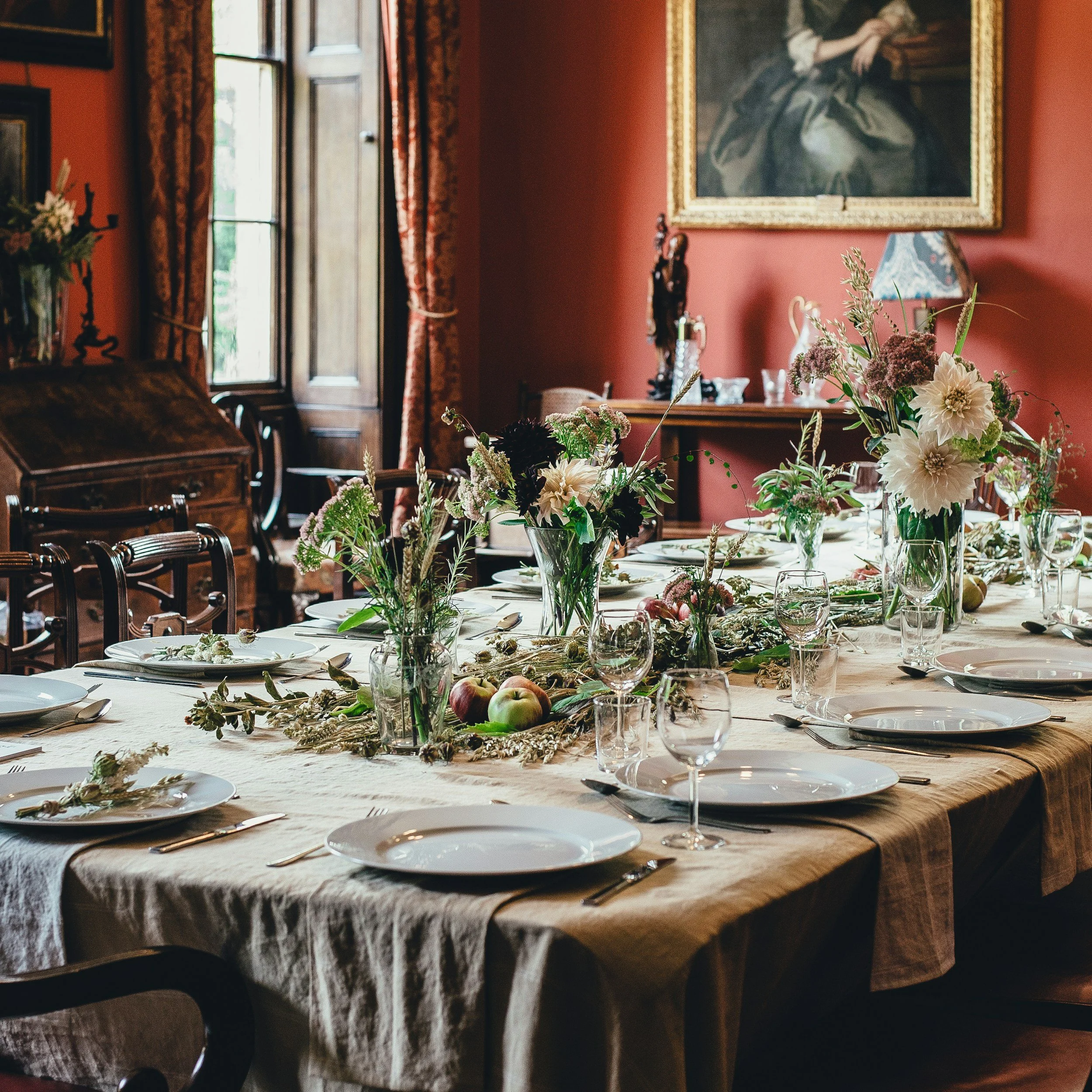
We spoke only once—but it carried more weight than any confession. A luncheon, a glance, a silence that said far too much. I felt undone in yellow gloves.
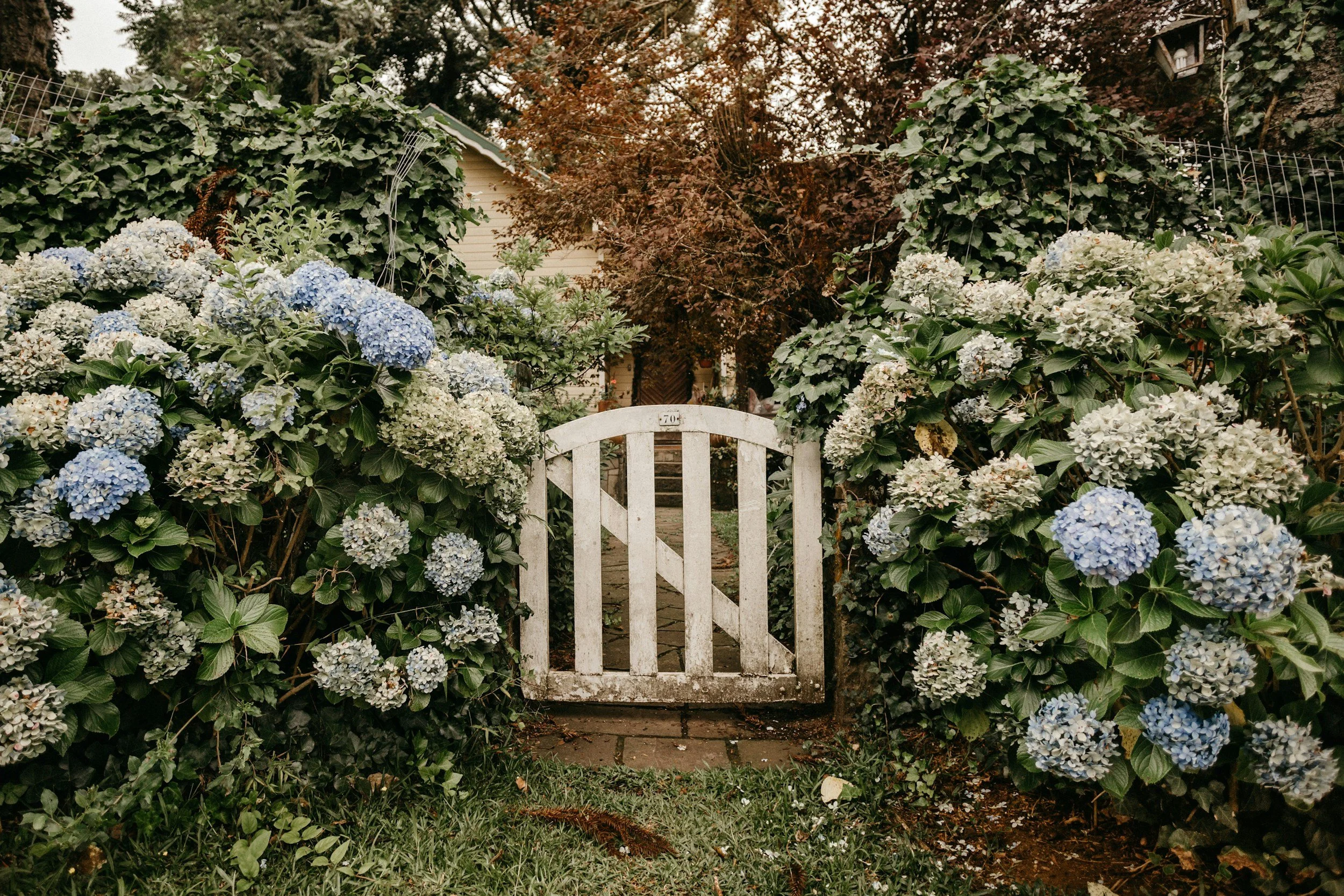
We spoke of nothing. But the rain knew. A shared pause at the garden gate, and the storm that followed — not in the sky, but within.

We barely spoke. But I remember everything. A journal entry of glances, almosts, and the gentle ache of wanting something not meant to be touched.

A quiet, romantic letter to a love that never became. A poetic reflection on timing, silence, and the ache of what could have been.
Steeped in Stillness
For the reader who has survived the rush, outgrown the noise, and begun to crave a life steeped in something slower.
Here lie the pages of a woman who chose gentleness. These journal entries and quiet essays were written not in haste, but in the hush of morning light or the calm after a storm. Here, the current Lady Bergamot reflects on solitude, ritual, and the grace of soft things hard-won.

When no one needs me, I remember there is still a woman here. One who hums, notices, creates. And in the silence, she has something to say.

No cake. No big party. Just French fries, rain, and joy in the shape of him. Five years ago, he changed everything.

I’ve always lived under a metal roof. Rainy days don’t rush me anymore. They bring me home to myself.

I have learned not to measure my words by how many read them. Still, I write. Still, I remain.

We do not speak in sentences. But oh, how we understand each other. This is the joy of raising my son, where words are not needed.

Some days, a new leaf feels like a miracle. My plants don’t rush me. And they don’t mind if I am quiet.

I don’t need my home to always feel sunny. I just need it to be a place where weather is allowed.


Just a book, a warm drink, maybe a few soft pages written by lamplight. I no longer perform belonging. I inhabit it.

Some of us bloom best in stillness. A gentle essay about being quiet, staying home, and creating a life of unnoticed, everyday magic.

Once, I believed softness was something to outgrow. Now I know better. A quiet evening entry on gentleness, lace-edged strength, and the girl I used to be.

A tender letter to a former self—full of longing, memory, and quiet grace. A personal essay about identity, change, and the ache of who we once were.
The Apricot Years
For those who still remember the thrill of a new library card, the ache of an unspoken crush, and the softness of girlhood summers.
This collection traces the early days of the current Lady Bergamot — before the letters, before the quiet life. These are stories of pink bedrooms, wildflower fields, first books, and first heartbreaks. Nostalgic and sun-warmed, these entries are stitched with ribbon and memory.
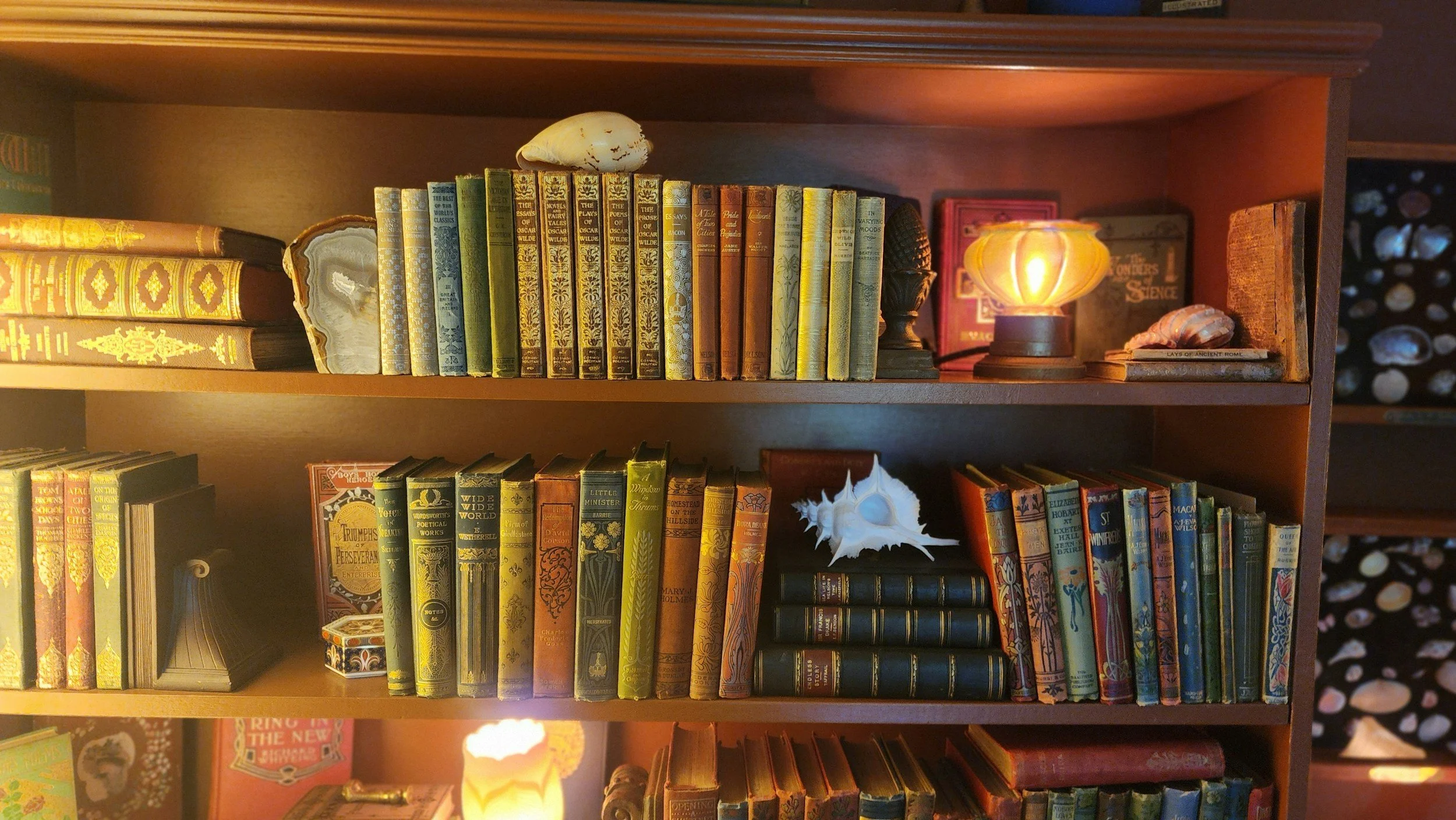
I was in fourth grade when I found A Series of Unfortunate Events. I talked about them on AIM with my best friend, devoured each new hardcover, and felt like someone finally trusted me with something strange and brilliant.

We chased lightnin’ bugs barefoot with jars in our hands. Not to keep them, just to hold the magic long enough to remember. That hour between dusk and dark still feels magical.

We picked over 32 quarts of black raspberries in one week, racing the rain from a hurricane on the way. It was hot, it was tedious, and my little brother mostly just snacked, but we got it done.

I ran miles to make the team. Played through injury after injury. Barely came off the court. And I loved it — every serve, every win, every ache. Volleyball was mine.

I was born on a market day. Grew up napping under the tables and counting back change before I lost my baby teeth. And now, some Saturdays, I return — to the same booth, the same rhythm, the same quiet pride that raised me.

Not every childhood starts before sunrise, behind a big tractor, or ends with watermelon cracked open in the field. But mine did. This is the beginning of The Rows Behind the House — a subseries of The Apricot Years, rooted in sweat, trust, and sweetness.

We didn’t need a neighborhood. We had Jake — a red and white border collie who let us turn his doghouse into a fortress, who answered when called, and who stayed beside us in the quiet hours when childhood was taking shape.

There was a cheese hat on the top shelf of the classroom closet, and if you spelled your way to the end, it was yours — if only for a photo. I won once, maybe twice. I don’t remember the word. But I remember the feeling. And I remember the cheese.

The media center was never just a room — it was a quiet invitation, a place where books waited like friends. Under Mrs. Praet’s watchful care, I learned to shelve, to search, to belong. And in those pages, I found myself.

I didn’t always fit in. But I always knew where I was in a book. This is a story about quiet corners, daydreams, and the soft world of being a young reader.

They never knew me — but I knew them. A quiet letter to Jack and Annie, from a girl who once believed a tree house might appear just for her.

A poetic letter to a childhood bedroom—pink walls, hidden diaries, farm soil, softball bruises, and all the beginnings a girl could carry in one small room.
The Curio Cabinet
For those who believe objects remember, that frogs can speak, and that even the smallest things hold entire stories.
This collection is full of tiny wonders: metaphorical fables, observations tucked into teacups, and soft lessons dressed as memories. It is Lady Bergamot at her most whimsical — turning the ordinary into the extraordinary, and leaving breadcrumbs of meaning in every drawer.
They are not fiction.
They are truths told sideways.

A mossy little birdhouse hung on the porch for years, mostly for show. Then, one spring morning, a pair of bluebirds arrived. This Curio Cabinet post is a soft reflection on what happens when something unexpected decides to belong.

Honeybees do not ask your permission. They arrive when the thyme is blooming, map the morning by sunlight, and carry sweetness not for themselves but for the hive. This Curio Cabinet essay is a quiet observation of their rhythm and the things we learn when we stand still beside them.

Bartholomew Badger likes knowing where things are, and how to get back to them. But one spring morning, the path doesn’t lead home, and he begins to learn the quiet joy of not knowing. A Widdershins Wood tale about direction, discovery, and adaptability.

Horace Groundhog has never been known for asking—or thanking. But when a young hare named Tansy brings him soup and never asks why, he begins to grow something he didn’t expect: the urge to give something back.

Thistle Hedgehog reminds the bees when it’s time to pollinate. She always has. But when she forgets, and nothing falls apart, she begins to learn that trust might be as important as planning. A soft Widdershins Wood tale about letting go—just enough.

Suzette Duck had a plan. Or she might’ve. In this meandering, heart-soft Widdershins tale, she forgets what she was doing, makes a few lovely detours, and discovers that some days are meant not to be finished—but found.
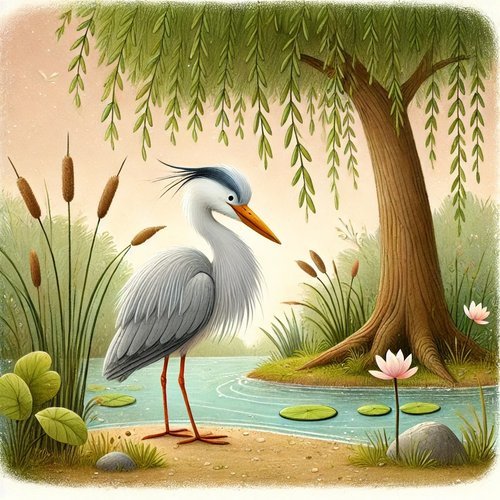
Oswald Heron’s life is quiet, tidy, and just so—until a duck moves into his pond, scattering lily pads and rearranging everything, including his heart. A gentle Widdershins Wood story of change, laughter, and unexpected friendship.

Crochet is the art of looping yarn into emptiness — and still making something that holds. In this gentle reflection, we explore the quiet beauty of holes, lace, and the idea that not every space must be filled to be whole.

In Widdershins Wood, Mabel Toad tends a garden that grows sideways and out of season — wild with marigolds, surprises, and the slow company of a snail named Thimble. The neighbors worry she’s late. Mabel knows she’s just not rushed. A soft, slow story for lovers of mossy corners, quiet triumphs, and late bloomers.

Lady Bergamot reflects on quiet nature walks, cottagecore wisdom, and the comfort of cows named Fern and Rosie at the edge of spring.

She’s chipped. Faded. A little fragile. But I always reach for her first. A love letter to the teacup that taught me the quiet art of holding gently.

He did not leap. He simply listened. A quiet tale about stillness, patience, and the soft magic of choosing your moment — when it matters most.
At Lady Elowen’s autumn lantern gathering, Lady Bergamot is drawn into a pairing with Yates Everett — and into a confrontation she has long avoided. Beneath flickering lights and half-truths, two hearts wrestle with the weight of what cannot be said.